Apparel Industry Strategy: What Ralph Lauren and Shein Teach Brands About Winning in a Changing Market
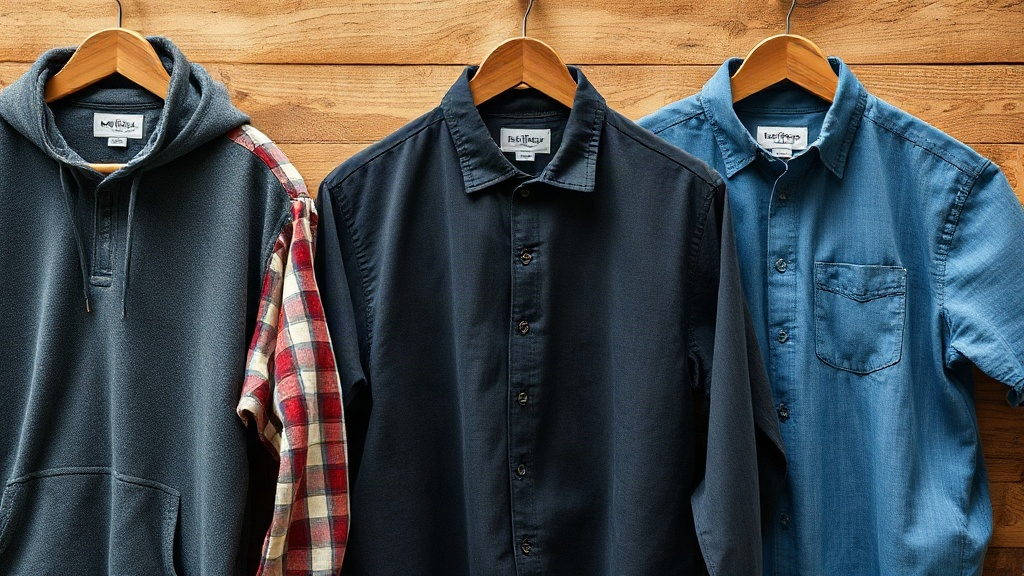
The apparel industry is operating under a different set of rules. Trade policy shifts, cautious consumers, and fast-moving social platforms have made old playbooks less reliable. Recent industry analysis, including McKinsey's outlook on how the rules of fashion are changing, points to one conclusion: brands that win are the ones that pair clear identity with operational flexibility.
Brand Clarity Is the New Competitive Moat
Ralph Lauren is a useful case study. Its marketing strategy is often described as lifestyle-led rather than product-led. The brand sells an aspirational world of heritage, ease, and polish, then lets individual products serve as entry points into it. That consistency lets it hold pricing power while many competitors lean on discounts.
The lesson for any apparel business, large or small, is that a strong point of view reduces the need to compete on price. When customers understand what a brand stands for, they are more likely to buy at full price and return for the next season.
Practical ways to build that clarity:
- Define a narrow brand story and repeat it across product, packaging, social content, and retail experience. - Limit assortments to categories where you can credibly lead. - Invest in recognizable signature pieces that become the face of the brand.
The Shein Lesson: Speed Wins Attention, Trust Decides Longevity
At the other end of the spectrum, Shein's marketing playbook shows how far data-driven speed, influencer seeding, and viral hauls can carry a brand. Small-batch testing lets it respond to demand signals in near real time, and creator-driven content keeps acquisition costs low relative to traditional advertising.
Yet the same strategy highlights the risks. Ongoing scrutiny over labor practices, environmental impact, and design originality shows that growth built on speed alone can trigger regulatory, reputational, and retail-access problems. As transparency expectations rise, ethical controversy is no longer a side issue. It is a core business risk.
Brands that borrow from this model should take the useful parts, such as test-and-learn merchandising and agile production, while building credible sourcing and compliance practices from day one.
Building a Resilient Operating Model
Volatility is now a planning assumption rather than an exception. Tariff changes, freight swings, and uneven consumer confidence reward companies that can adjust quickly. Key priorities include:
- Diversified sourcing: Relying on a single country or supplier concentrates risk. Many brands are spreading production across regions and building closer partnerships with fewer, better-vetted manufacturers. - Inventory discipline: Smaller initial orders, in-season replenishment, and pre-order drops protect margins and reduce markdowns. - Margin protection: Strategic pricing, cost engineering, and fewer promotions help brands absorb shocks without eroding perceived value. - Omnichannel consistency: Customers move between social feeds, marketplaces, websites, and stores. A coherent experience across all of them builds trust and repeat purchase.
What Emerging Brands Should Focus On
Guides for launching a clothing label, such as Shopify's step-by-step approach, consistently stress the same fundamentals: validate demand, define a niche, set a realistic production plan, and build a direct relationship with customers. These basics matter more in a tough market, not less.
For new founders, a few principles stand out:
1. Start with a specific customer. A tightly defined audience makes product development and marketing cheaper and more effective. 2. Own your data. Email lists, first-party customer insights, and community engagement are more durable than rented reach on any single platform. 3. Test before scaling. Capsule collections and limited drops reveal what resonates without tying up cash. 4. Make values verifiable. Sustainability and ethical claims should be backed by specifics, such as materials, factory partners, and measurable goals.
Where Strategy Is Heading
The most successful apparel businesses currently blend two strengths that once seemed opposed: the emotional pull of a premium brand and the responsiveness of a data-led operation. Ralph Lauren shows the power of a story told consistently. Shein shows the power of speed and the cost of neglecting accountability. Industry forecasts show that the gap between brands that adapt and those that wait is widening.
For apparel leaders, the path forward is clear. Sharpen the brand, shorten the feedback loop between customer and product, diversify the supply chain, and treat transparency as a growth asset. The rules may keep changing, but companies built on those foundations will be better placed to change with them.