Fashion Brand Development: How to Build a Label That Lasts Beyond Trends
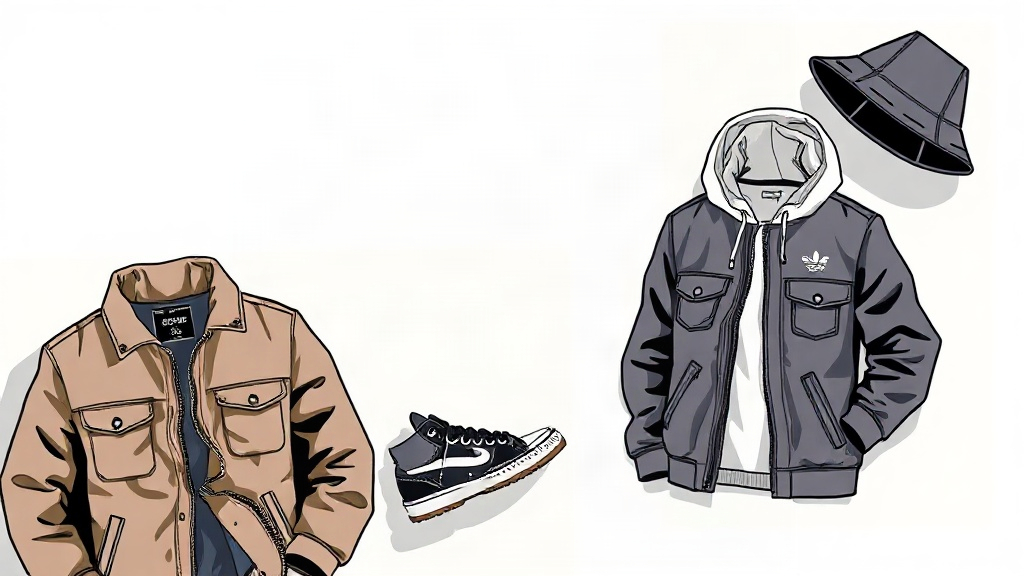
Building a fashion brand has never been easier to start and harder to sustain. A laptop, a small production run and a social account can put a label in front of a global audience within weeks. Yet the brands that last are the ones that treat identity, supply chains and customer relationships as a single, carefully managed system. Here is what matters most for fashion brand development right now.
Start With a Point of View, Not a Product
Trend-led collections are easy to copy, and fast-fashion giants can replicate a silhouette in days. A clear point of view is much harder to imitate. Before sketching a single piece, define who the brand serves, what it stands for and what it will never do.
That clarity shapes everything downstream: pricing, materials, tone of voice, photography and even which retailers to approach. Founders who skip this step often end up with a product range that looks pleasant but forgettable.
Customization Is Becoming a Brand Asset
Academic research into apparel customization has highlighted that brand value in this space is built from more than the product itself. Practitioners and consumers alike tend to point to factors such as perceived uniqueness, the quality of the co-creation experience, trust in the process and emotional connection with the finished garment.
For emerging labels, this opens useful options. Made-to-order capsules, personalized tailoring, monogramming or customizable fits reduce inventory risk while giving customers a reason to feel invested. The lesson is that personalization works best when the process feels effortless and the outcome feels genuinely personal, not like a gimmick bolted on at checkout.
Plan for International Growth Early
Brand consultants who work with growing labels often stress that going international is a strategic decision, not simply a logistics exercise. Advice from industry voices such as Marina Lyritzi, who has guided brands across borders, reflects a consistent theme: understand each market before entering it.
Practical steps worth considering include:
- Research cultural nuance. Sizing, color symbolism, modesty norms and seasonal calendars differ widely between regions. - Choose partners carefully. Distributors, stockists and local agencies should share the brand's values and standards. - Protect intellectual property. Register trademarks in target markets before expanding, not after. - Test before committing. Pop-ups, wholesale pilots and marketplace listings can validate demand at lower cost.
Consistency matters just as much as adaptation. The brand story should remain recognizable, even when messaging is tailored to local audiences.
Ethical Production Is Part of Brand Equity
Reporting on garment workers fighting for higher wages, including accounts of families struggling to afford basic food, has kept pressure on the industry to confront how clothing is made. Consumers, journalists and regulators are paying closer attention to who sits behind the label.
For a new brand, this is both a responsibility and a competitive advantage. Transparent sourcing, fair payment terms with manufacturers and honest communication about limitations build credibility that marketing alone cannot buy. Overstating sustainability credentials, on the other hand, invites scrutiny and can damage trust quickly. Share what is verifiable, admit what is still a work in progress and publish improvements as they happen.
Build Direct Relationships With Customers
Platform algorithms change constantly, and paid acquisition costs keep climbing. Brands that own their audience through email lists, loyalty programs and community events are far more resilient. Small touches, such as handwritten notes, early access drops and responsive customer service, often generate more loyalty than large advertising budgets.
Data helps too. Pay attention to return rates, repeat purchase behavior and which products drive reviews. These signals show whether the brand is earning long-term affection or just one-time curiosity.
Grow Slowly Enough to Stay Sharp
The most durable labels tend to scale in deliberate steps: refine the core product, strengthen the supply chain, deepen the community and only then expand categories or territories. Fashion rewards creativity, but brand development rewards discipline. Founders who pair a distinctive vision with transparent operations and genuine customer relationships give their label the best chance of outlasting the next trend cycle.