Fashion Industry Compliance: How Tariffs, Greenwashing Rules, and ESG Regulations Are Reshaping Supply Chain Strategy
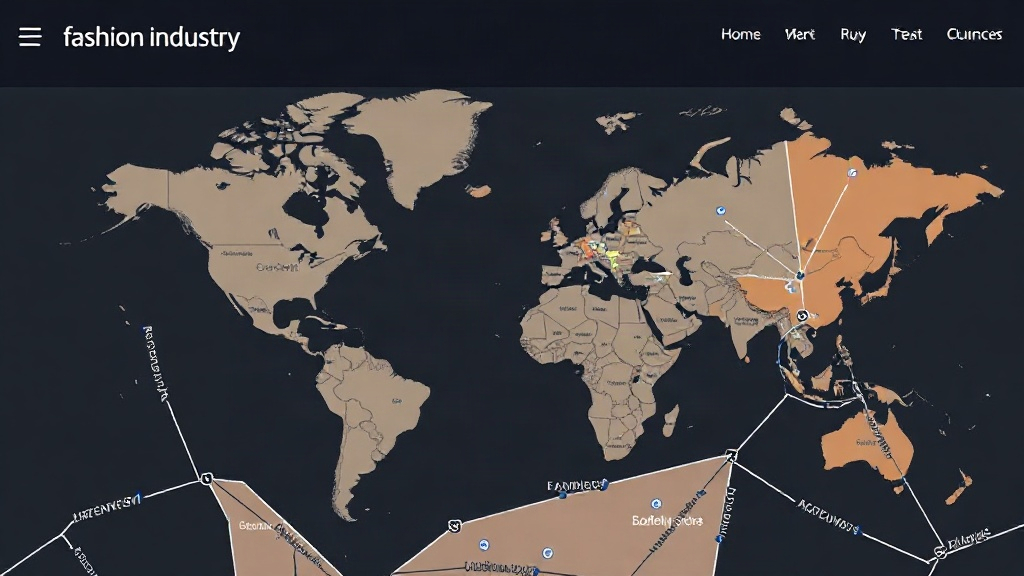
Fashion has always been a game of timing, but navigating the industry today takes more than good instincts about trends. Brands now operate in a landscape shaped by shifting trade policy, tightening sustainability rules, and shoppers who scrutinize every claim. Those that treat compliance and supply chain strategy as part of the creative process are the ones building resilience.
Tariffs and the Unpredictable Cost of Making Clothes
Few issues have rattled fashion executives as much as tariff volatility. Apparel, footwear, and accessories rely on complex, multi-country supply chains, so even small changes in duties can ripple through sourcing, pricing, and margins. Industry coverage has described brands scrambling to model multiple scenarios at once, because policy announcements can change faster than a production calendar allows.
The practical response has been diversification. Many companies are spreading production across more countries instead of relying on a single sourcing hub. Others are exploring nearshoring for fast-turn categories, while keeping complex or high-volume items in established manufacturing regions. The end of duty-free treatment for low-value parcels has also forced ecommerce-first and fast-fashion players to rethink how they ship to consumers.
Smart teams are also tightening their commercial playbook:
- Flexible contracts: Build in clauses that allow cost-sharing or re-routing when duties change. - Landed-cost transparency: Track the true cost of each style by market, not just the factory price. - Selective pricing moves: Adjust prices on items where demand is least sensitive, rather than applying blanket increases. - Earlier planning: Lock in materials and capacity sooner to reduce exposure to sudden changes.
Greenwashing Rules Are Rewriting Marketing
While trade policy affects the cost of goods, sustainability regulation affects how brands talk about them. Legal commentators have been tracking an evolving wave of anti-greenwashing rules, particularly in Europe, where vague terms like "eco-friendly," "conscious," or "green" are increasingly difficult to defend without solid evidence.
The direction is clear: environmental claims must be specific, substantiated, and communicated honestly. Broad statements about a collection being "sustainable" invite scrutiny from regulators, competitors, and consumer groups alike. Climate-neutrality claims based largely on offsets face particular skepticism.
For marketing and merchandising teams, this means closer collaboration with legal and sustainability departments. Product descriptions, campaign slogans, hang tags, and social posts all need to be backed by data, such as certified fiber content, verified recycled percentages, or third-party audits. Brands that can show measurable progress, even if modest, tend to be better protected than those making sweeping promises.
The Wider ESG Framework for Luxury and Beyond
Luxury houses and mass-market retailers alike are also adapting to a broader European legal framework built around environmental, social, and governance expectations. Corporate sustainability reporting, supply chain due diligence, and product-level requirements such as digital product passports are pushing companies to know far more about where their goods come from and how they are made.
This is especially significant for an industry known for opaque, multi-tier supply chains. Mapping suppliers beyond the first tier, documenting labor conditions, and tracing raw materials are becoming baseline expectations rather than differentiators. Rules around unsold stock and textile waste are adding further pressure to rethink overproduction and end-of-life strategies.
Companies selling into Europe from elsewhere are affected too, which makes these standards influential well beyond the region's borders.
Building a Navigation Strategy That Lasts
The brands handling this environment best share a few habits:
1. They invest in data. Supply chain visibility supports both tariff planning and ESG compliance. 2. They communicate carefully. Precise, evidence-based storytelling builds trust and reduces legal risk. 3. They stay agile. Scenario planning and diversified sourcing turn disruption into manageable variation. 4. They integrate functions. Design, sourcing, legal, finance, and marketing work from the same information.
Trade tensions and regulatory change are unlikely to disappear. The fashion businesses that thrive will be those that see these pressures not as obstacles to creativity, but as a framework for smarter, more transparent, and more durable growth.