Fashion Marketing in the Attention Economy: How Brands Earn Resonance, Trust, and Loyalty
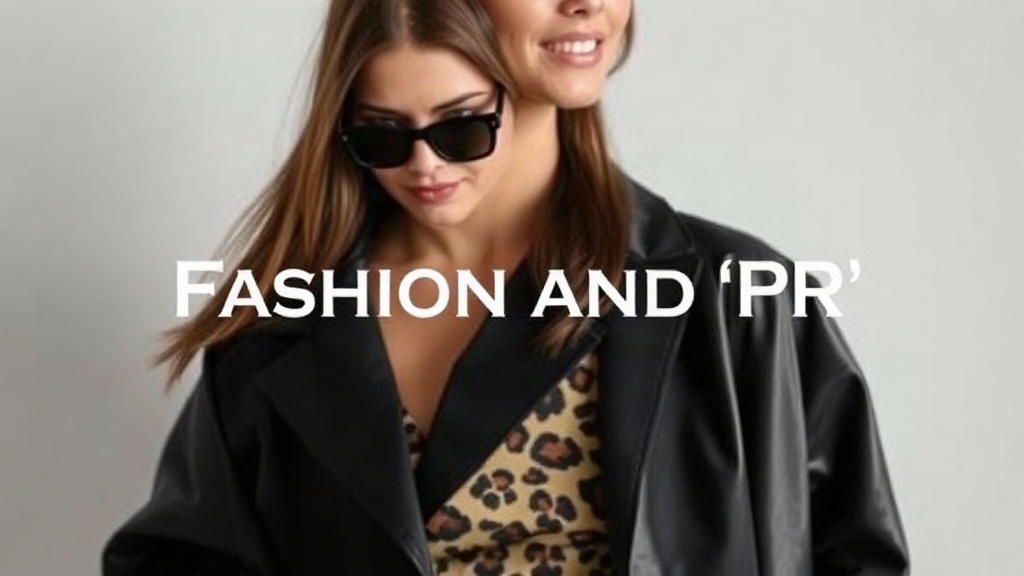
Fashion marketing has never had more channels, and it has never been harder to hold attention. Audiences scroll past thousands of images a day, and trust in traditional advertising keeps slipping. Brands that stand out are rethinking how they earn attention, not just how they buy it. Industry voices, from the CFDA's focus on PR and marketing support for designers to recent Business of Fashion analysis on how marketers will compete for eyeballs, point to the same conclusion: attention is now the scarcest asset in fashion.
From Reach to Resonance
For years, success was measured in impressions and follower counts. That logic is fading. A campaign seen by millions but remembered by no one does little for brand equity, while a smaller moment that sparks conversation can drive sales and loyalty.
Fashion marketers are shifting toward resonance metrics: saves, shares, repeat engagement, community growth, and direct revenue attribution. The question is no longer "How many people saw it?" but "Who cared, and what did they do next?"
Creator Partnerships Are Maturing
Influencer marketing has moved beyond the one-off sponsored post. Brands are building longer-term relationships with creators who genuinely fit their aesthetic and values, treating them as collaborators and co-designers rather than ad placements.
Micro and niche creators are gaining ground because their audiences are tight-knit and trusting. A stylist with a loyal following in workwear or vintage tailoring can outperform a celebrity endorsement, especially with shoppers who are tired of obvious paid promotion.
PR Is Becoming a Storytelling Engine
Fashion PR was once about securing editorial placements and sending samples to the right desks. Those fundamentals still matter, but the role has widened. Today's PR teams shape narratives across press, social platforms, events, podcasts, newsletters, and brand-owned media.
Emerging designers in particular benefit from clear positioning. Programs that pair designers with PR and marketing guidance, like those championed by the CFDA, show how much a sharp story, a defined audience, and a consistent message can accelerate growth, even without a large budget.
Strong fashion PR today tends to include:
- A clear point of view that journalists and creators can easily repeat - Behind-the-scenes content that humanizes the brand - Proactive responses to cultural moments rather than forced trend-chasing - Transparent communication about materials, production, and pricing
Authenticity and Transparency Carry Weight
Shoppers are quick to spot hollow sustainability claims, borrowed aesthetics, and inconsistent messaging. Regulators in several markets have also increased scrutiny of environmental marketing language, which raises the stakes for accuracy.
Brands that share specifics, such as where a garment is made, why it costs what it does, and what the company is still improving, build credibility that polished campaigns alone can't buy. Admitting imperfection often earns more goodwill than claiming perfection.
Technology Supports, but Doesn't Replace, Taste
Brands are experimenting with generative tools for concept development, personalization, and content production. Used well, these tools speed up workflows and test creative ideas faster. Used carelessly, they flood feeds with generic imagery that audiences quickly learn to ignore.
The winners treat technology as an accelerator for human creativity. Distinctive taste, cultural understanding, and a recognizable brand voice remain the differentiators, and they are difficult to automate.
Community and Experience Win Loyalty
Physical and hybrid experiences are making a strong comeback. Pop-ups, intimate dinners, styling sessions, and small-scale runway presentations give customers something a feed cannot: a feeling of belonging. These events also generate organic content, as guests share their experiences with their own networks.
Owned channels matter just as much. Email lists, private communities, and loyalty programs give brands direct access to their audience, reducing dependence on platform algorithms that can change overnight.
What Fashion Brands Should Do Next
To capture attention in a crowded market, brands can focus on a few practical priorities:
1. Define a sharp brand story. If it can't be explained in a sentence, it won't travel. 2. Invest in relationships. Build lasting ties with creators, editors, and customers instead of chasing one-time spikes. 3. Measure what matters. Track engagement quality and revenue impact alongside reach. 4. Diversify channels. Balance social, press, events, and owned media. 5. Stay credible. Back every claim with evidence and keep messaging consistent.
Fashion has always thrived on desire, and desire is built through meaning, not volume. The brands that combine strong storytelling, authentic partnerships, and disciplined measurement will be the ones people notice, remember, and keep buying from.