Fashion Marketing Trends: How Brands Are Expanding Into Gourmet Groceries, Gaming and Modern PR
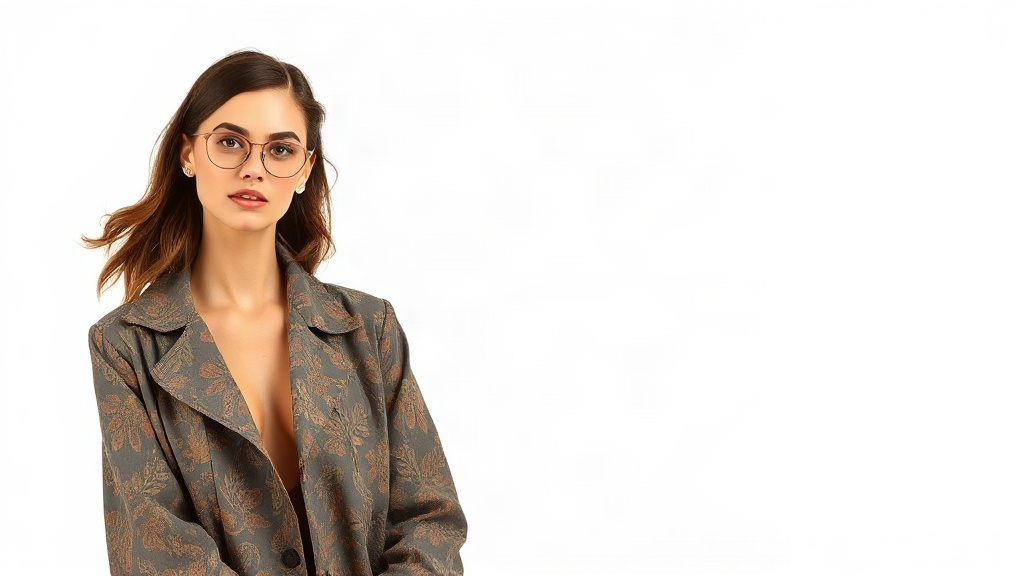
Fashion brands have always sold more than clothes. They sell identity, belonging and a glimpse of a lifestyle. What has changed is how far brands are willing to stretch that promise, and where they are choosing to show up. From premium grocery aisles to gaming worlds to reimagined PR playbooks, fashion marketing is moving into everyday life, and the brands that win are the ones that treat every touchpoint as part of the story.
Why Fashion Is Moving Into the Grocery Aisle
One of the more surprising shifts is fashion's growing interest in high-end groceries. Luxury and designer labels are launching food lines, gourmet pantry items, cafés and curated market concepts. The logic is simple. A handbag or coat is an occasional purchase. A jar of olive oil, a box of biscuits or a bottle of sparkling tea can be bought weekly.
For marketers, food offers three clear advantages:
- Higher purchase frequency. Everyday products keep the brand in the customer's routine. - Lower barrier to entry. A younger or aspiring shopper may not afford a luxury jacket, but can buy into the brand world through a beautifully packaged snack. - Shareable content. Food is photogenic, giftable and ideal for social platforms, which turns customers into unpaid brand ambassadors.
The risk is dilution. If the product feels like a logo slapped on a generic item, the brand's credibility suffers. Successful extensions carry the same design language, storytelling and quality standards as the core collection.
Gaming and Digital Worlds Still Matter
Fashion's relationship with gaming has matured since the early rush of digital collectibles and virtual boutiques. The lesson from those early experiments is that audiences reward authenticity and participation, not novelty for its own sake. Brands that collaborate with game creators, design in-game apparel that players genuinely want, and respect community culture see lasting engagement. Those that treat gaming as a one-off stunt tend to fade quickly.
The takeaway for marketers: think of gaming as a long-term cultural channel, not a campaign slot. Build recurring collaborations, listen to player communities, and measure success through engagement and brand affinity rather than headline-grabbing launches alone.
The New Playbook for Fashion PR
Public relations has changed just as dramatically. The old model of sending samples to magazine editors and securing a front-row seat is no longer enough. Today's PR strategy blends traditional media relations with creators, community leaders, stylists and niche voices who hold real influence over buying decisions.
Key shifts shaping modern fashion PR include:
- Creator-first thinking. Relationships with creators are built over time, with room for honest opinions rather than scripted endorsements. - Storytelling over announcements. Journalists and audiences respond to craft, heritage, sustainability efforts and the people behind the product. - Real-time reputation management. Social conversations move fast, so brands need clear response protocols and transparent communication. - Integrated measurement. PR teams increasingly track search visibility, social sentiment and sales impact alongside press coverage.
Agencies, particularly in established fashion capitals such as London, are adapting by offering blended services that cover press, influencer relations, events and digital strategy under one roof. For emerging labels, choosing a partner who understands both the brand's aesthetic and its audience is often more valuable than choosing the biggest name.
What Brands Can Do Right Now
To stay relevant, fashion marketers can focus on a few practical priorities:
1. Define the brand world clearly. Expansion into food, gaming or lifestyle only works when the core identity is strong. 2. Invest in community. Loyal communities generate more durable value than one-time reach. 3. Align PR and marketing. Messaging should feel consistent across press, social, retail and partnerships. 4. Optimise for search and discovery. Editorial coverage, product pages and social content should reinforce each other so customers can find the brand easily. 5. Test, learn and scale. Pilot new categories or channels on a small scale before committing major budgets.
Fashion marketing today is about building a world people want to live in, not just a wardrobe they want to wear. Whether that world includes a gourmet pantry, a virtual runway or a thoughtfully curated creator network, the brands that stay consistent, culturally aware and genuinely useful to their audience will continue to stand out.