Fashion Retail Management Essentials: Back to Basics on Inventory, Omnichannel, and Talent
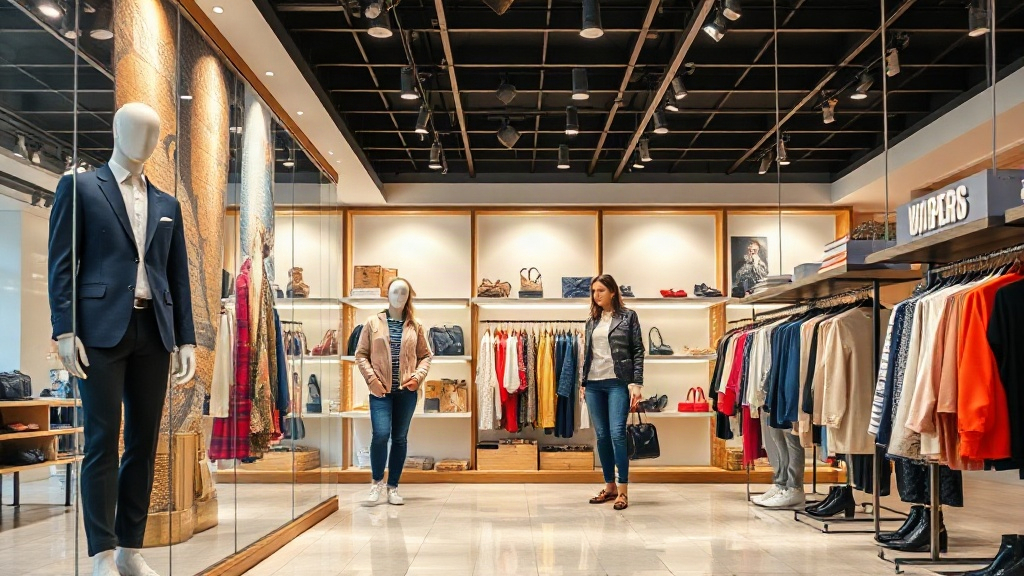
Fashion retail has never been more demanding to manage. Shoppers move fluidly between social feeds, marketplaces, and physical stores, while margins are squeezed by rising costs, inventory risk, and fast-changing trends. In this environment, the retailers that thrive tend to be the ones that master fundamentals before chasing the next shiny tool.
Back to the Basics: What Actually Drives Retail Success
Recent industry commentary, including coverage from The Business of Fashion on the foundations of retail success, keeps returning to the same idea: strong operations beat flashy tactics. A clear brand position, disciplined merchandising, and a consistent customer experience still underpin every healthy fashion business.
For managers, that translates into a few non-negotiables:
- A sharp assortment strategy. Fewer, better-chosen products usually outperform sprawling ranges that confuse shoppers and bury stock. - Tight inventory control. Overbuying leads to markdowns that erode brand value, while underbuying leaves demand unmet. - Reliable store and site execution. Clean visual merchandising, accurate sizing information, and fast fulfillment build trust. - Data used for decisions, not decoration. Sales velocity, sell-through rates, and return patterns should shape buying and pricing in real time.
Inventory Is the Real Battleground
Ask any seasoned fashion retail manager what keeps them up at night, and inventory will rank near the top. Trend cycles are short, and weather, social media moments, and economic sentiment can shift demand overnight.
Smart retailers are responding with smaller initial orders, in-season replenishment, and closer collaboration with suppliers. Regional sourcing and shorter lead times add flexibility, even if unit costs are slightly higher. The payoff is fewer clearance events and healthier full-price sell-through.
Return management deserves equal attention. Online apparel returns remain costly, so clearer fit guidance, better product imagery, and honest descriptions can protect profitability more effectively than tightening return policies alone.
Omnichannel Is Now Simply "Retail"
Customers no longer separate online and in-store experiences, and managers shouldn't either. Buy online and pick up in store, endless-aisle ordering, and unified loyalty programs are increasingly expected rather than celebrated.
The store itself is evolving into a brand stage and service hub. Staff who can style, advise, and solve problems create value that a website cannot replicate. That makes training, scheduling, and incentives central management concerns. Retailers that invest in well-informed associates typically see stronger conversion and loyalty.
Building the Next Generation of Retail Talent
The people side of the industry is also getting fresh attention. Education programs in fashion merchandising continue to attract aspiring buyers, planners, and store leaders, and campus communities such as the Purdue Fashion & Retail Organization show how students are connecting early over a shared passion for the business. Peer networks, industry speakers, and hands-on projects give newcomers a practical feel for how creativity meets commercial reality.
Personal career profiles from local creative professionals, like the recent Life & Work feature on Jai Midgette in Dallas-Fort Worth, point to another trend: fashion careers are increasingly entrepreneurial, blending styling, retail, content, and community building. For managers hiring today, that means looking beyond traditional résumés and valuing adaptability, storytelling ability, and comfort with digital tools.
Practical Priorities for Retail Managers Right Now
If you're leading a fashion retail operation, these steps can deliver meaningful results without major overhauls:
1. Audit your assortment and cut underperforming styles that dilute your message. 2. Review sell-through weekly, not monthly, so pricing and replenishment decisions stay timely. 3. Invest in staff development, including product knowledge, clienteling, and tech fluency. 4. Simplify the customer journey across channels, from discovery to returns. 5. Create pathways for emerging talent, such as internships and partnerships with fashion programs.
The Takeaway for Fashion Retail Leaders
Technology, trends, and consumer habits will keep changing, but the core job of a fashion retail manager stays consistent: put the right product in front of the right customer at the right price, and make the experience memorable. Retailers who build on strong foundations, nurture their people, and stay flexible with inventory are best positioned to turn uncertainty into steady, profitable growth.