Fashion Retail Management in 2025: Inventory Discipline, Generative AI, and the Fundamentals That Drive Growth
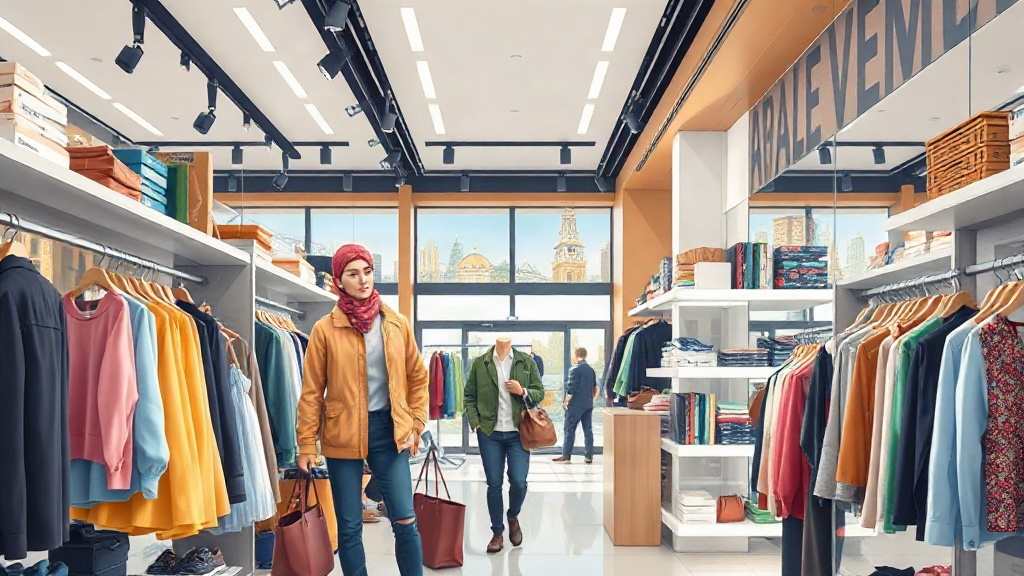
Fashion retail has never been more demanding to manage. Shoppers expect instant availability, personalized service, and sustainable practices, all while margins stay under pressure from volatile demand and rising operating costs. The retailers pulling ahead are not necessarily the biggest. They are the ones that have mastered a handful of fundamentals and layered smart technology on top.
Inventory Discipline Is the New Competitive Edge
Excess stock remains one of the most persistent problems in the industry. Overproduction leads to markdowns, markdowns erode brand value, and unsold goods create a sustainability headache that customers and regulators increasingly notice. Industry coverage, including reporting from The Business of Fashion, has repeatedly highlighted how much unsold inventory still clogs the supply chain and how costly it is to clear.
The fix starts with tighter buying. Instead of placing large, early commitments based on gut feeling, many retailers now use smaller initial orders, in-season replenishment, and demand sensing built on real-time sales data. A few practical moves that make a measurable difference:
- Shorten lead times with nearshore or flexible manufacturing partners. - Test new styles in limited runs before scaling production. - Use size-curve analytics to avoid overbuying extreme sizes that rarely sell through. - Set clear markdown rules early, rather than reacting once stock has aged. - Build resale, rental, or refurbishment channels to extend product life.
Managing inventory this way protects full-price sell-through, which is where profitability truly lives.
Getting Back to Retail Fundamentals
Technology gets the headlines, but the basics still decide who wins. Store location, assortment clarity, staff training, visual merchandising, and a seamless customer experience are the foundations of retail success, a theme that continues to surface in industry analysis. A beautifully engineered tech stack cannot rescue a store that is poorly merchandised or understaffed.
Strong fashion retail managers tend to focus on a few core questions. Does the assortment tell a clear story? Can a shopper find the right size within seconds? Do associates know the product well enough to style it, not just ring it up? When the answer to these is yes, conversion and loyalty follow.
Generative AI Moves From Pilot to Practice
Generative AI is becoming a regular part of the fashion retail toolkit. Veteran retail and branding executives are joining advisory boards at AI-focused fashion firms, a sign that the industry's established leaders see real commercial potential rather than novelty. Use cases are growing fast:
- Design and prototyping: Rapid concept visualization reduces sample costs and speeds up decision-making. - Product content: Automated descriptions, imagery, and virtual try-on features help scale e-commerce catalogs. - Forecasting: Models that blend sales history, social trends, and weather improve buying accuracy. - Customer service: Conversational assistants handle sizing questions, returns, and styling suggestions around the clock.
The caution is straightforward. AI works best when it supports human judgment and brand identity, not when it replaces them. Retailers should protect creative integrity, check outputs for accuracy, and be transparent with customers about how their data is used.
Building the Talent Pipeline
Technology and strategy only matter if there are skilled people to run them. Fashion merchandising programs continue to expand across universities and design schools, and the best of them now combine traditional buying and planning with data analytics, sustainability, and digital commerce. For employers, partnering with these programs through internships, guest lectures, and early-career rotations is one of the most effective ways to secure talent that understands both product and numbers.
For managers already in the industry, upskilling matters just as much. Comfort with analytics dashboards, supply chain basics, and AI tools is quickly becoming a baseline expectation for merchandisers, planners, and store leaders alike.
What Forward-Looking Retailers Do Differently
The common thread among successful fashion retailers is balance. They respect the fundamentals of assortment, service, and store experience. They treat inventory as a strategic asset rather than an afterthought. They adopt new technology deliberately, tying each tool to a clear business outcome. And they invest in people who can connect creativity with commercial discipline.
In a market where trends move in days and customer loyalty has to be earned repeatedly, that combination is what turns a good fashion brand into a resilient retail business.