Fashion Retail Management: Inventory, Omnichannel, and Talent Strategies That Boost Profit
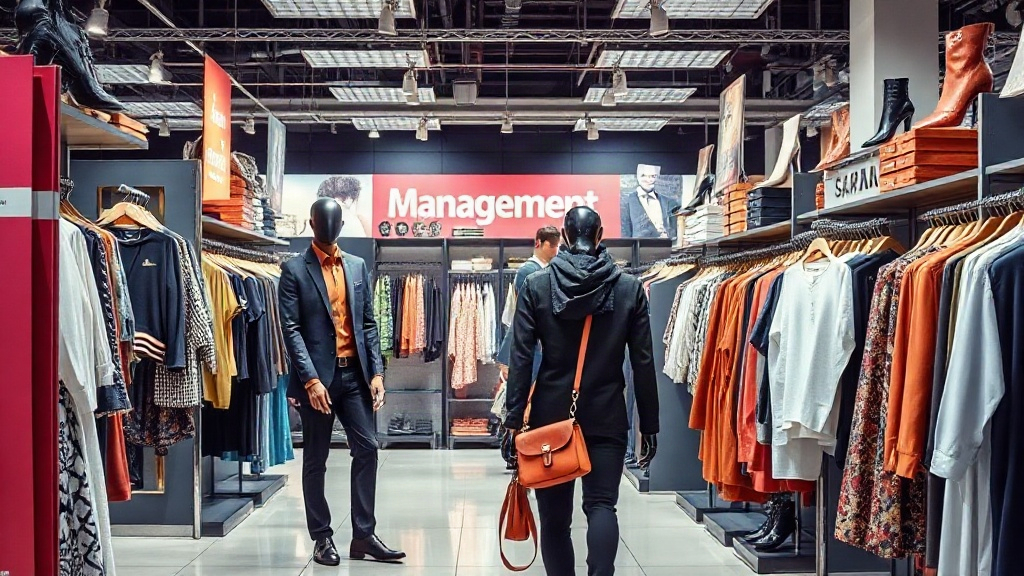
Fashion retail has never been more demanding to manage. Shoppers move fluidly between social feeds, marketplaces, apps and physical stores, and they expect every touchpoint to feel consistent. For retail managers, success now depends on two things working in tandem: disciplined operations behind the scenes and a skilled, well-trained team on the shop floor.
Inventory Is the Engine of Profitability
Few areas affect margin as directly as inventory. Overstock ties up cash and leads to heavy markdowns, while stockouts send customers straight to a competitor. Recent guidance from commerce platforms like Shopify reinforces a point seasoned merchandisers already know: a structured, repeatable inventory strategy beats gut instinct every time.
The most effective approaches share several traits:
- Accurate, real-time data. Sales, returns and stock counts should sync across every channel so that what the website shows matches what is on the rack. - SKU rationalization. Size, color and style variations multiply quickly. Regularly reviewing which items earn their space helps cut dead stock. - Demand forecasting. Combining historical sales, seasonality, local trends and social signals creates smarter buying plans. - Replenishment rules. Reorder points and safety stock levels prevent best-sellers from vanishing during peak weeks. - Planned markdown cadence. Clearing slow movers early, with a defined schedule, protects margin better than panic discounting.
Apparel adds a layer of complexity because of fit and returns. High return rates distort true demand, so smart retailers track return reasons by size and style, then feed that insight back into buying and product descriptions.
Omnichannel Is the Baseline, Not the Bonus
Customers no longer separate "online" from "in-store." They check availability on a phone, reserve an item, try it on in person and perhaps have another size shipped home. Managers need systems that make these journeys effortless: buy online and pick up in store, ship from store, endless-aisle ordering and unified customer profiles.
Stores that treat each location as a mini fulfillment hub often improve sell-through, since inventory sitting in one place can serve demand somewhere else. This only works when staff are trained, processes are clear, and stock accuracy is high.
Talent Development Sets Brands Apart
Technology can streamline operations, but the experience customers remember is still human. This is why luxury houses have long invested in education. A well-known example is the partnership between Gucci and the Italian fashion school Polimoda, which created a dedicated master's program in retail management. The idea was simple and still relevant: retail leadership in fashion requires a blend of brand storytelling, financial literacy, merchandising skill and customer psychology, and that blend is best developed deliberately.
Brands of any size can borrow the principle. Practical steps include:
- Building structured onboarding that teaches product knowledge, brand values and clienteling techniques. - Offering clear career paths from sales associate to store manager to regional leadership. - Training managers to read dashboards, not just run schedules, so they can act on conversion, units per transaction and average order value. - Encouraging staff to capture client preferences and follow up personally.
Metrics That Matter
A modern fashion retail manager should keep a short list of indicators close at hand:
- Sell-through rate to gauge how well buying decisions are performing. - Gross margin return on inventory investment to see how efficiently stock generates profit. - Inventory turnover to spot slow categories. - Conversion rate and footfall to evaluate store appeal and staffing. - Customer lifetime value to measure loyalty and clienteling impact.
Sustainability and Resale Are Reshaping Decisions
Shoppers increasingly care about waste, transparency and product longevity. Smarter forecasting reduces overproduction, which is both a financial and environmental win. Many retailers are also exploring repair services, take-back programs and resale, turning what was once a cost center into a loyalty-building opportunity.
The Takeaway for Retail Leaders
The strongest fashion retailers combine analytical rigor with creative instinct. They keep inventory lean and accurate, deliver seamless journeys across channels, and invest in people who can translate brand identity into memorable service. Managers who build all three capabilities are best positioned to protect margins, earn loyalty and adapt as consumer habits continue to evolve.