Fashion Retail Strategy: How Omnichannel Growth, Inventory Discipline, and Store Experience Drive Success
Fashion retail has always rewarded brands that read shifting shopper behavior quickly. Today, the gap between retailers that grow and those that stall comes down to how well they manage the fundamentals: inventory, store experience, digital channels, and talent. Recent investor interest in Groupe Dynamite, the Canadian fashion retailer listed on the TSX, shows that markets are rewarding companies that pair physical expansion with digital growth.
Why Omnichannel Balance Matters
For a time, the industry assumed that e-commerce would replace stores. That has not happened. Shoppers move fluidly between browsing on a phone, trying on in a boutique, and reordering online. The retailers drawing attention now treat each channel as part of one customer journey instead of separate profit centers.
Groupe Dynamite's strategy, as covered in recent financial commentary, combines new store openings with investment in its digital presence. The approach is instructive. Stores build brand identity and give customers the chance to touch fabric and check fit, while digital channels widen reach and supply a steady stream of first-party data. Managed well, each channel reinforces the other.
Inventory Discipline Is the Real Profit Lever
Fashion is unforgiving of poor inventory decisions. Overbuy and you face markdowns that erode margin and brand value. Underbuy and you lose sales on the pieces shoppers want most. Strong retail managers are leaning on a few practical habits:
- Shorter lead times: Smaller, more frequent drops let teams react to real sales data instead of long-range forecasts. - Store-level allocation: Sending the right sizes and styles to the right locations reduces transfers and clearance. - Unified stock visibility: When online and in-store inventory sit in one system, retailers can fulfill from the closest location and offer reliable click-and-collect. - Disciplined markdown planning: Clear rules about when and how deeply to discount protect full-price sell-through.
Using Data Without Losing the Brand
Digital growth gives retailers more information than ever, from browsing patterns to return rates and loyalty behavior. The challenge is turning that data into decisions without flattening the creative identity that draws customers in. The best fashion retail managers use analytics to inform assortment, pricing, and marketing while leaving room for design instinct and cultural awareness.
Return rates deserve special attention. High returns, especially in online apparel, eat into margins and add logistics costs. Better size guidance, accurate product imagery, and fit feedback from reviews can reduce them noticeably. Many retailers are also reconsidering return policies to balance convenience against cost.
Store Experience as a Differentiator
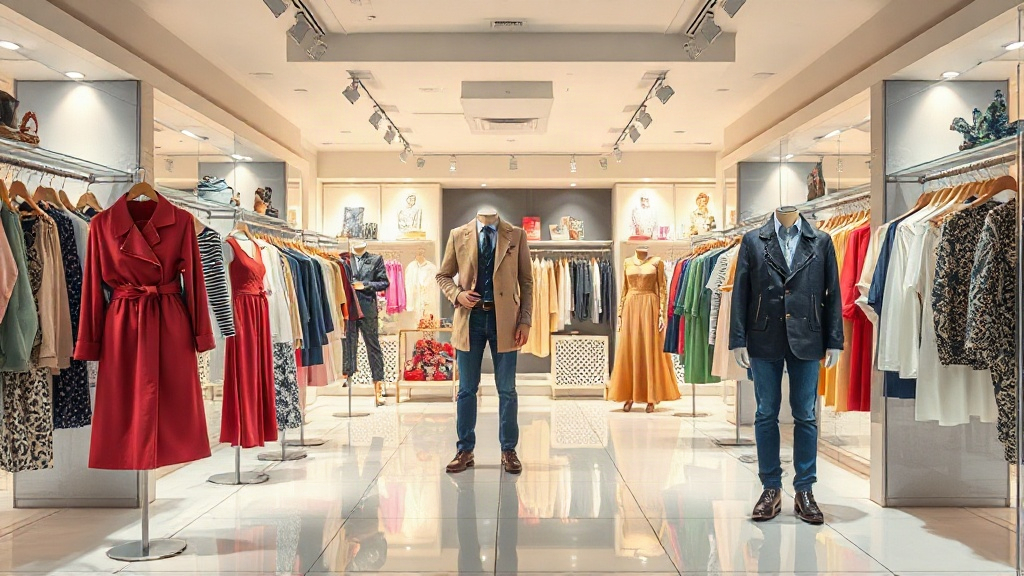
Physical retail remains a powerful tool when it offers something a screen cannot. That means well-trained associates, efficient fitting rooms, clear merchandising, and layouts that make discovery easy. Staffing matters as much as design. Teams that understand the product and feel empowered to help customers drive higher conversion and stronger loyalty. Investing in training and retention is often more profitable than another round of promotions.
Building the Next Generation of Retail Leaders
The skills needed to run a modern fashion business have broadened. Managers must understand merchandising, supply chain, brand storytelling, finance, and digital marketing at once. This is one reason programs in business and brand management continue to attract aspiring fashion professionals. Formal education can build a foundation, but the industry also values hands-on experience, whether in stores, buying offices, or e-commerce teams.
Retailers that develop talent internally, rotating people through store operations, planning, and digital roles, tend to build leaders who see the whole business instead of a single function.
Sustainability and Transparency Expectations
Shoppers, particularly younger ones, increasingly expect clarity about how clothes are made and what happens to them afterward. Retail managers are responding with better sourcing documentation, resale and repair programs, and more careful production planning. While approaches vary, the underlying principle is consistent: waste reduction and brand trust support long-term profitability.
What Successful Fashion Retail Looks Like Now
The most resilient retailers share a clear brand identity, tight operational control, and a willingness to invest in both stores and digital capabilities. Expansion can create momentum, but only when it rests on healthy unit economics and a loyal customer base. Companies that grow with discipline, listen to their data, and keep the shopping experience compelling are best placed to hold investor confidence and shopper attention as the market continues to evolve.