Fashion Technology Integration: How Connected Systems Are Becoming the Industry's Biggest Competitive Edge
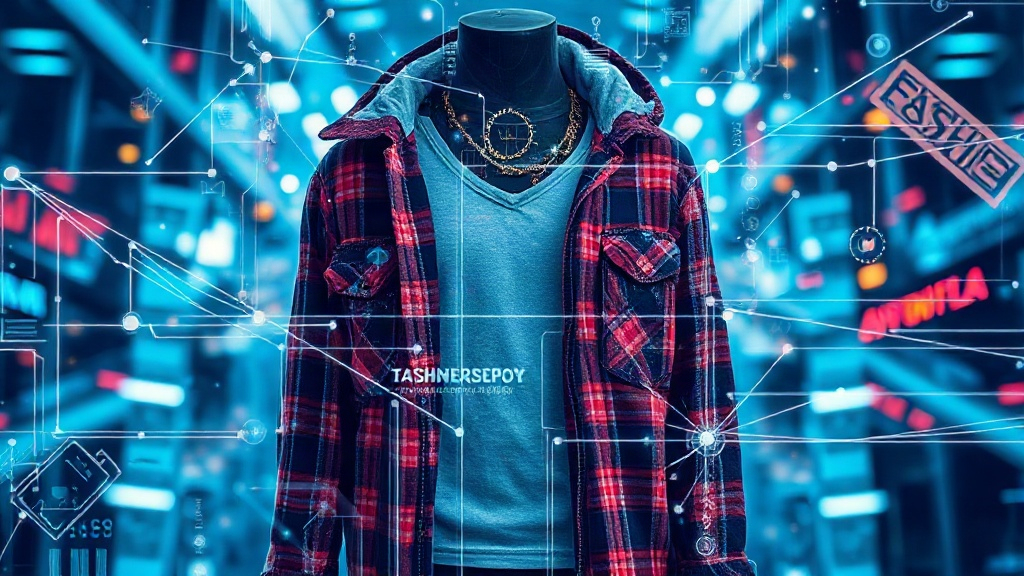
Fashion has always moved quickly, but the pace of technological change inside the industry is now reshaping how brands design, produce, market and sell. The conversation has shifted from whether to adopt technology to how well different systems work together. Integration, rather than isolated experimentation, is becoming the real competitive edge.
From Pilot Projects to Connected Systems
For years, many fashion houses treated technology as a series of side projects: a virtual try-on pilot here, an AR filter there, a metaverse activation for a single campaign. Results were often impressive in headlines but hard to scale. Recent industry analysis, including Deloitte's look at the future of fashion retail, points to digital and omnichannel capabilities as imperatives rather than options. Shoppers expect to browse on a phone, try in a store, return by mail and receive consistent service across every step.
That expectation puts pressure on the foundations: inventory visibility, unified customer data, flexible fulfillment and reliable payment flows. When these layers are disconnected, even the most dazzling front-end experience falls apart at checkout or during a return.
The Integrated Stack Comes to the Runway
The same logic now applies to fashion events. Coverage of Brady King's work on an integrated technology stack to help scale The Bureau Fashion Week is a good example. Rather than stitching together ticketing, guest management, designer onboarding, livestreaming, sponsor reporting and e-commerce through separate vendors, an integrated approach lets organizers manage the whole experience on a single connected foundation.
The benefits are practical:
- Cleaner data: Attendee, buyer and viewer behavior flows into one view, making it easier to measure return on investment. - Faster scaling: Adding a new city, designer or show format does not require rebuilding processes from scratch. - Better audience experience: Guests move from invitation to front row to post-show shopping without friction.
For emerging designers in particular, this kind of infrastructure can lower the barrier to reaching a global audience.
Lessons From the Metaverse Era
The metaverse hype cycle taught the industry valuable lessons. Analysis from The Business of Fashion on the strategies defining fashion's future in virtual spaces emphasized that lasting value comes from utility, community and brand storytelling, not novelty alone. Digital wearables, gaming collaborations and virtual showrooms still matter, but they perform best when tied to real commercial goals such as customer acquisition, product discovery or loyalty.
Today, the most thoughtful brands treat immersive tech as one channel within a broader ecosystem. A virtual item might unlock a physical product, or a 3D asset created for design might double as a digital sales sample, reducing the need for physical prototypes.
Where Integration Delivers the Most Value
Several areas stand out as the highest-impact opportunities for fashion technology integration:
- Design and sampling: 3D design tools connected to product lifecycle management shorten development timelines and cut material waste. - Demand planning: Predictive analytics linked to real-time sales data help brands produce closer to actual demand, limiting overstock and markdowns. - Personalization: Unified customer profiles enable tailored recommendations, size guidance and content across web, app and store. - Sustainability and traceability: Digital product passports and supply chain tracking are becoming essential as transparency regulations expand in key markets. - Store technology: Clienteling apps, RFID inventory and mobile checkout give associates the tools to act as true omnichannel advisors.
Building for What Comes Next
Successful integration starts with a clear view of the customer journey and an honest audit of existing systems. Brands that move fastest tend to prioritize interoperability, choosing platforms with open APIs and strong data governance. They also invest in people, since the best technology fails without teams trained to use it and leaders willing to change legacy workflows.
The takeaway for fashion businesses of every size is straightforward: the most valuable technology is the kind customers barely notice because everything simply works. Whether the setting is a flagship store, a fashion week venue or a virtual runway, connected systems turn creative ambition into scalable, repeatable results.