How Fashion Brands Can Navigate Tariffs, Cautious Consumers and Uncertainty
Fashion has never been a calm industry, but the past few seasons have tested even veteran executives. Shifting trade policy, cautious shoppers, rising production costs and fast-changing technology all land on the same desk at once. Navigating the industry today means treating uncertainty as a permanent condition rather than a passing storm.
Trade Policy Is Now a Core Fashion Skill
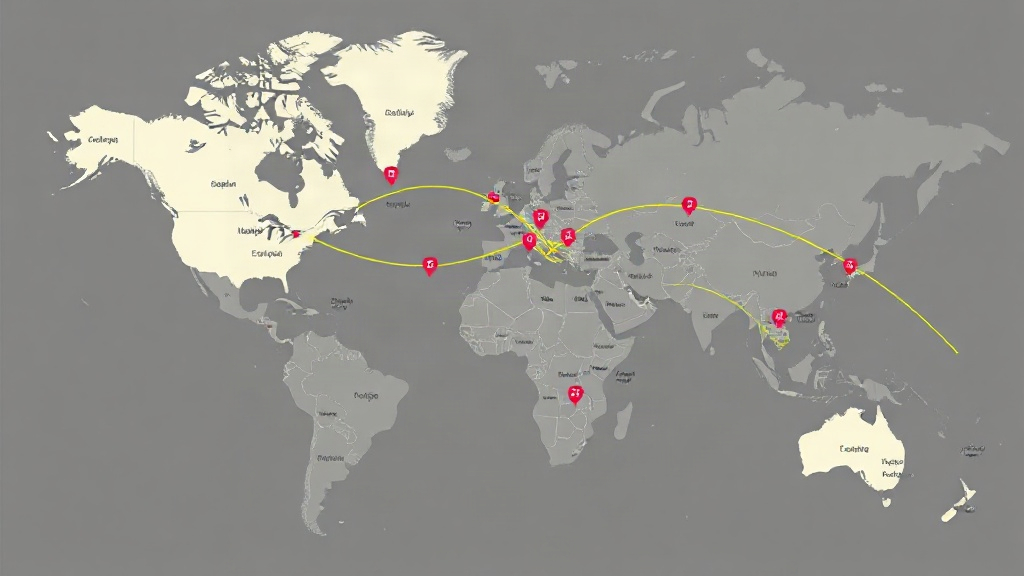
Tariffs have moved from a back-office concern to a boardroom priority. When new duties were floated on goods from major sourcing countries, brands of every size scrambled to work out what it meant for margins, pricing and delivery calendars. Apparel and footwear are among the most import-dependent categories, so even small changes in duty rates ripple quickly through the supply chain.
The brands coping best share a few habits:
- Mapping exposure early. They know which styles, fabrics and components come from which country, down to tier-two and tier-three suppliers. - Diversifying sourcing. Spreading production across several regions reduces dependence on any single market, although it takes time and carries its own quality-control costs. - Building pricing flexibility. Rather than absorbing every cost increase or passing it all to shoppers, they model scenarios in advance and adjust selectively. - Negotiating shared risk. Longer-term supplier relationships often allow cost burdens to be split instead of dumped on one side.
Reading the Consumer Mood
Industry outlooks, including BoF's widely followed annual State of Fashion analysis, have repeatedly described a market "riding out the storm": subdued demand, bargain-conscious shoppers and a widening gap between luxury and everyday fashion. Many consumers are still spending, but they are more selective. They trade down on basics, wait for promotions and reward brands that offer clear value, whether that means durability, a distinct point of view or a strong resale price.
This puts pressure on the middle of the market in particular. Brands that are neither clearly premium nor clearly affordable risk being squeezed from both sides. Sharper positioning, tighter assortments and fewer but better product drops are becoming the practical response.
Data, Insight and the Value of Benchmarks
With so many moving parts, annual industry reports and insight studies have become useful navigation tools. They help leaders compare their performance against category trends, spot regional growth pockets and understand how shifts in sustainability expectations, digital commerce and resale are reshaping behavior. The smartest teams use them as a starting point, then layer in their own sales data, customer feedback and supplier intelligence.
Inventory discipline matters more than ever. Overproduction ties up cash, forces markdowns and damages brand perception. Brands that use demand forecasting, smaller initial orders and in-season replenishment are better placed to respond when conditions change.
Sustainability and Regulation Keep Moving Forward
Even as trade headlines dominate, regulatory and consumer pressure around sustainability has not gone away. Requirements on traceability, product transparency, extended producer responsibility and green claims are expanding in several markets. Brands selling internationally need a compliance approach that works across regions, not just one that satisfies the loudest regulator.
Practical steps include:
- Auditing materials and supplier data so claims can be backed up. - Designing for longevity, repair and recyclability where possible. - Exploring resale, rental or take-back programs that build loyalty while extending product life.
Technology as a Steady Hand
Digital tools are helping brands handle complexity. Automated forecasting, 3D sampling, virtual try-on and smarter supply chain visibility can shorten lead times and reduce waste. Generative tools are also speeding up content creation, trend research and customer service. The goal is not to chase every new platform but to choose technology that solves a specific bottleneck.
A Practical Playbook Going Forward
Success in this environment comes down to resilience and clarity. Know your costs and your suppliers. Understand exactly who your customer is and what they will pay for. Keep inventory lean, stay flexible on sourcing, and invest in the capabilities that make decisions faster and better informed.
Fashion will continue to be shaped by forces no single brand controls. The companies that thrive will be those that build the agility to adapt quickly, communicate honestly with their customers and make every collection count.