Interior design practices have undergone profound reinvention. Inflexible guidelines have evaporated, giving way to meaningful investigations of how surroundings genuinely influence our everyday lives. Contemporary approaches unite time-tested knowledge with innovative thinking that thoroughly reimagines effective space creation.
Environments as Identity Expression
Generic, impersonal surroundings rarely hold our attention. The spaces that genuinely halt us mid-step communicate authentic aspects of their inhabitants’ identities. Future design professionals must cultivate abilities to transform individual experiences into physical environments where people instinctually connect.
Room components—arrangement strategies, palette decisions, accent selections—work collectively to express broader narratives. Insightful practitioners detect enduring substance beneath fleeting fashions. They examine lifestyle realities, genuine pleasures, and formative experiences.
Physical elements communicate through intentional organization. Floor patterns establish movement rhythms. Furniture configurations shape social dynamics. When designers thoroughly understand these relationships, remarkable connections emerge—spaces bond with users intuitively, immediately feeling harmonious because they genuinely reflect authentic lives.
Practical Excellence Through Beautiful Design
Showcase-perfect environments offer minimal livability. Cultural preferences have matured beyond valuing appearance above usability. Modern sensibility demands surroundings function brilliantly while maintaining aesthetic distinction—refusing compromise in either direction.
Finding optimal harmony between visual impact and practical utility requires genuine understanding of human conduct—recognizing natural circulation paths, gathering tendencies, and everyday environmental usage.
Visionary practitioners possess inherent spatial intelligence. Visual splendor becomes irrelevant when environments hinder their occupants. Effective designs respect natural human movement, establish intuitive gathering areas, and create logical activity zones. Such thoughtful planning produces seemingly spontaneous surroundings where daily life proceeds without disruption, with inhabitants rarely detecting the careful considerations enabling their comfort.
Electrifying Spaces Through Unlikely Combinations
Conventional selections typically yield unremarkable results. Progressive approaches deliberately introduce surprising juxtapositions—such experimental combinations distinguish innovative practitioners from mainstream designers.
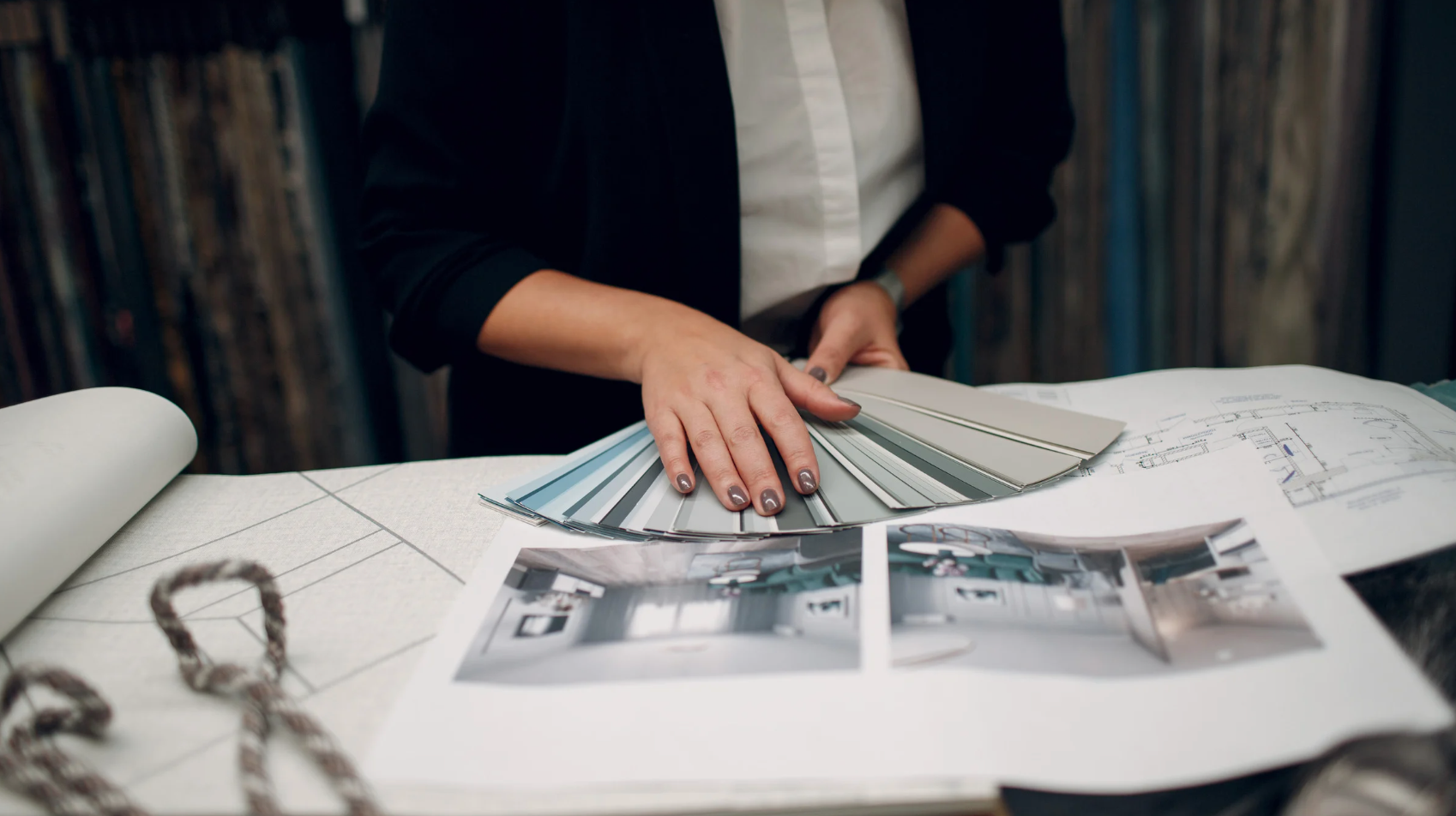
Unexpected color relationships like subtle neutrals alongside striking accent tones can produce remarkably cohesive outcomes. These unanticipated pairings invigorate surroundings, infusing ordinary spaces with distinctive personality.
Material diversity parallels culinary artistry; varied elements need not perfectly align but should create balanced compositions. Leading professionals develop courage to abandon predictable solutions, perhaps combining heritage pieces with minimalist contemporary elements or juxtaposing organic materials with precision-engineered components. Such deliberate contrasts generate visual dynamism, transforming standard environments into memorable, discussion-worthy settings.
Multi-Sensory Design That Truly Connects
While conventional approaches focus predominantly on visual components, boundary-pushing professionals consider holistic experiences when crafting environments that stimulate multiple faculties—creating spaces that acoustically satisfy, texturally welcome, and aromatically please.
Carefully selected scents don’t simply enhance spatial quality—they establish persistent psychological connections. Thoughtfully chosen olfactory elements transform attractive surroundings into meaningful experiences with enduring emotional significance.
Illumination dramatically transforms spatial perception. Light quality profoundly influences psychological responses—identical environments evoke entirely different feelings based primarily on lighting approaches.
Professionals creating truly exceptional settings must attend to these subtle influences: surface textures, sound qualities, and aromatic possibilities. When designers attentively incorporate these experiential elements, they produce immersive, multi-dimensional environments functioning optimally across all sensory channels.
Design philosophy centered around personal authenticity, practical functionality, creative combinations, and complete sensory engagement consistently prevails despite changing fashions. These foundational principles establish meaningful connections between people and their surroundings—the definitive measure of design excellence.
Today’s approach recognizes that environmental design shapes human behavior, influences emotional states, and impacts overall wellbeing. Moving beyond decorative concerns, contemporary practice focuses on creating spaces that genuinely support our complex relationships with our surroundings. The result? Environments with staying power—settings that maintain relevance and impact regardless of passing trends because they address fundamental human needs through thoughtful, people-centered design decisions.